



Urinary Tract Infections (UTIs)
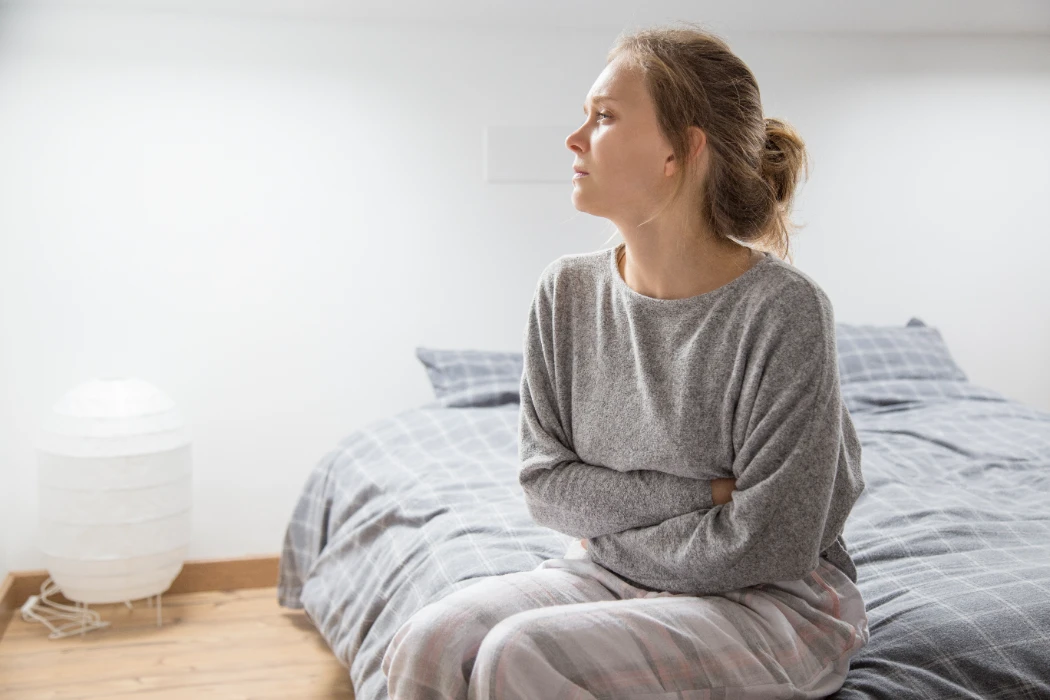
UTIs are a prevalent health issue that primarily affects women. It can occur in various parts of the urinary tract, such as the bladder (cystitis), urethra (urethritis), and kidneys (kidney infection). These infections can cause frequent discomfort and can be quite unpleasant.
The NHS Pharmacy First program is now accessible to assist women suffering from uncomplicated UTIs. Our pharmacists can provide immediate guidance and treatment solutions, eliminating the need to wait for a doctor's appointment to address the symptoms of UTIs.
More Information
Age range
Women 16-64 years
Book Now
Advice and treatment when you need it
Uncomplicated Urinary Tract Infection (UTI)
If you’re a woman aged 16 to 64 and experiencing symptoms of a urinary tract infection, you can now access fast support through the NHS Pharmacy First service. Pharmacists can assess your symptoms and provide appropriate treatment options without needing to book a GP appointment. Men cannot be treated for UTIs in community pharmacy and will be signposted to the relevant NHS service.
You can book an appointment or visit a participating pharmacy for advice, symptom assessment, and medication where suitable. This convenient, free NHS service helps you get effective care quickly, without the delays of traditional GP appointments.
UTI Symptoms
Bladder infections (cystitis) and urethral infections (urethritis) are common types of lower urinary tract infections (UTIs) that typically affect the bladder and urethra. These infections often cause a range of urinary symptoms that can vary in severity.
More serious infections can affect the upper urinary tract, including the kidneys or ureters (the tubes connecting the kidneys to the bladder), and may lead to more severe symptoms and complications.
Book Your Appointment
Cystitis/urethritis symptoms include:
A need to pee more often than usual
Allergies occur when the body reacts to a particular substance, such as pollen, dust, certain foods or insect bites. Symptoms may include sneezing, a runny nose, itchy eyes or skin rashes. Our pharmacy team can recommend suitable treatments and explain how to use them safely. Through NHS Pharmacy First Scotland, you can receive advice and support for eligible conditions, with treatment or referral where appropriate. Avoiding known triggers can help manage symptoms. If you experience difficulty breathing or swelling of the lips, tongue or throat, seek emergency medical attention immediately.
Feeling generally unwell, achy and tired
Sudden urges to pee
Feeling as though you’re unable to empty your bladder fully
Colds and flu can cause a runny or blocked nose, cough, thick green nasal discharge and fever. Environmental allergies often cause sneezing, a clear runny or blocked nose, and itchy, watery or swollen eyes.
Possible causes
UTIs are more common and less serious compared to other types of infections. Prevention through hygiene and proper medical care is important in reducing the risk of UTIs.
Bacteria entering the urinary tract commonly cause UTIs, usually affecting the bladder or urethra where infection can develop quickly.
Certain health and lifestyle factors such as kidney stones, a weakened immune system, diabetes, catheter use, or specific contraceptives can increase the likelihood of infection.
Female anatomy makes UTIs more common in women because the urethra is shorter and positioned closer to the anus, allowing bacteria to travel more easily.
Male‑specific risks can also contribute, particularly when an enlarged prostate restricts urine flow and raises the chance of infection developing.
Urinary tract infections (UTIs) are common and can affect different parts of the urinary system, most often the bladder and urethra. While they are usually not serious, they can cause significant discomfort and may require treatment to help symptoms improve quickly. Understanding how UTIs are treated and recognising when they may become more serious can help you seek the right care at the right time and reduce the risk of complications.